WorldLa Pedriza, Spain · Europe
Woman Found Dead in Spain Stayed Unnamed for 20 Years Over Privacy Rules: Beatriz Muñiz Fernández Identified
Schoolchildren found the body in 2006 in the mountains near Madrid, Spain. Only a missing-person report filed for an inheritance case made it possible to match her fingerprints.
By Marcel
Automatically translated from German · may contain errors · Read the original
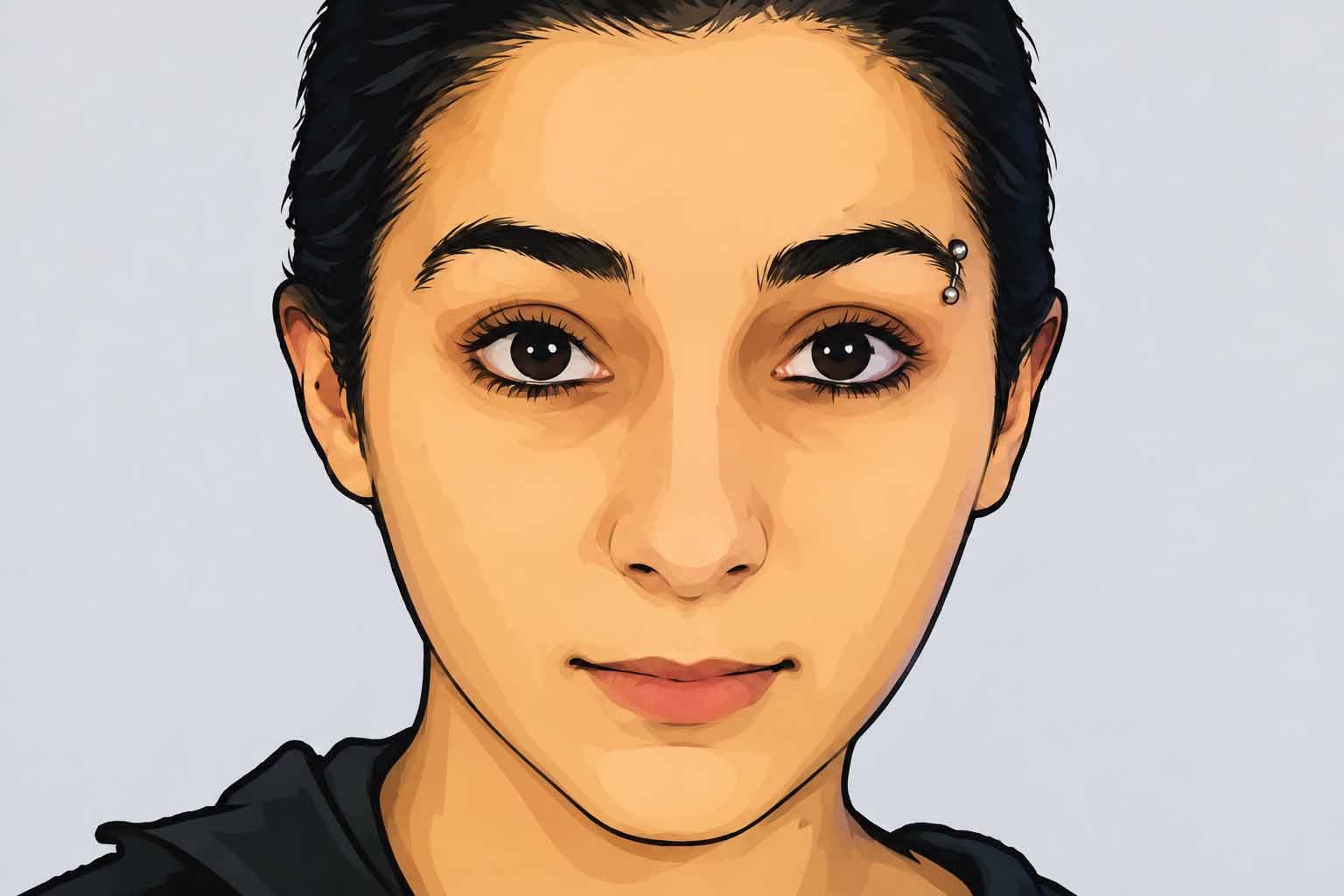
The body known as the "Mummy of La Pedriza," found in the mountains near Madrid, Spain, has a name again after almost 20 years: She is Beatriz Muñiz Fernández, a student from Asturias in northern Spain who died in 2006 at the age of 23. The Spanish newspaper El Mundo made this public on Monday, Oct. 26, based on its own research. The paper had accompanied the family through their dealings with the authorities.
Schoolchildren discovered the mummified body in 2006 during a Saturday outing in La Pedriza nature park. According to investigators, it had lain undiscovered for about six months in a rocky area, 20 meters from a prominent rock called El Tolmo. Beatriz Muñiz Fernández came from a small village in the municipality of Pravia and studied humanities in Seville. Today she would be 43 years old.
Scene "like in a horror movie"
The woman lay on her back, clothed, next to a hollow formed by two stones leaning against each other. Investigators found a water bottle with her, but no backpack, wallet, cell phone or ID papers. "It was like in a horror movie," said Mercedes Martín, a spokeswoman for the Guardia Civil, Spain's national police force with military status. The Guardia Civil led the investigation at the time.
According to Martín, the autopsy initially found no signs of violence, although the breastbone was crushed. This could also have happened after death. The sergeant in charge, Santiago, considered an accident possible based on his experience but did not rule out a homicide, the spokeswoman recalled.
To identify the woman, the Guardia Civil circulated a composite drawing created by the University of Granada. But nobody came forward. "It saddened us greatly that nobody in her family or circle of friends remembered her," the spokeswoman said.
Privacy rules prevented early match
Because the cave where the body lay had a constant temperature, the body was well preserved. Forensic pathologists were thus able to secure fingerprints from all ten fingers and a DNA profile. However, the fingerprints could not be checked against the national ID card database. "Without a prior report, the databases may not be accessed," Guardia Civil sources explained.
The breakthrough came in December 2025: For court proceedings to divide an inheritance, the family had to prove whether Beatriz was still alive. They therefore filed a missing-person report with the Guardia Civil in Pravia. DNA was taken from the mother, but in the end that was not necessary: The fingerprints alone confirmed the identity.
Family thought her silence was anger
Her brother Gustavo, then 16, describes Beatriz as cheerful, outgoing and committed. "After the Prestige oil spill, she organized a trip with a group of young people to the beaches of Galicia to help with the cleanup," he told the newspaper. "She was very adventurous; in 2004 she had also been to Peru."
At first, he said, she called home every few days, then only every few weeks. A last visit in March 2006 reportedly did not go well, and Beatriz left upset. After that, the family never heard from her again. Police and forensic investigations found that she died shortly after that visit.
"We thought she was angry," her brother said. "We thought she was living her life, working as a teacher. I even started to believe I no longer had a sister if she didn't want to hear from me." The family stuck to the saying "No news is good news." They kept paying her life insurance the entire time.
Gustavo said he dialed his sister's cell phone number at least once a year. Once a woman answered, but she was a stranger from Zaragoza. Later he spoke with his sister's friends and fellow students without learning anything.
One of her best friends in Seville, Diana, searched for her for months. "She was a very special girl. Very intelligent, a little genius," she said. "I will never forget her laugh."
Brother doubts it was an accident
According to El Mundo, investigators consider a fall the most likely cause; the newspaper itself calls this a hypothesis. The family finds it hard to accept. There is no evidence that Beatriz was ever in Madrid or had acquaintances there, her brother said. Their mother had taken her to the bus station in Avilés after the last visit, reportedly for the trip to Seville. He suspects that his sister was not traveling alone and that something happened to her.
Gustavo suspects a former acquaintance of his sister who lived in Guadalajara, near Madrid. He said she asked him about Beatriz via Facebook. When he falsely told her as a test that Beatriz had been found alive, she blocked him. "That seemed very strange to me," he said. The woman declined to comment to El Mundo.
Guardia Civil sources confirmed to the newspaper that investigators initially also considered a homicide but dismissed that possibility. According to their theory, the young woman may have been carrying a fanny pack with a wallet and cell phone, which an animal later tore away. The body, too, was probably carried by animals from a cave to the spot where the children found it. La Pedriza is a granite area resembling a labyrinth of rocks and scrub – even a few meters off the trail, a person can go undiscovered.
Ten years in a niche without a name
Only after the identification did the family learn that the body had been buried in the cemetery of Colmenar Viejo, north of Madrid. She lay there for ten years in a niche without a name. She was then cremated and her ashes scattered.
The National Center for Missing Persons (CNDES) has since officially notified the family of the identity. This allows the Guardia Civil in Madrid to close the case. A letter to the judicial office in Colmenar Viejo is now expected to make it possible for Beatriz Muñiz Fernández to be entered in the civil registry – this time as deceased.